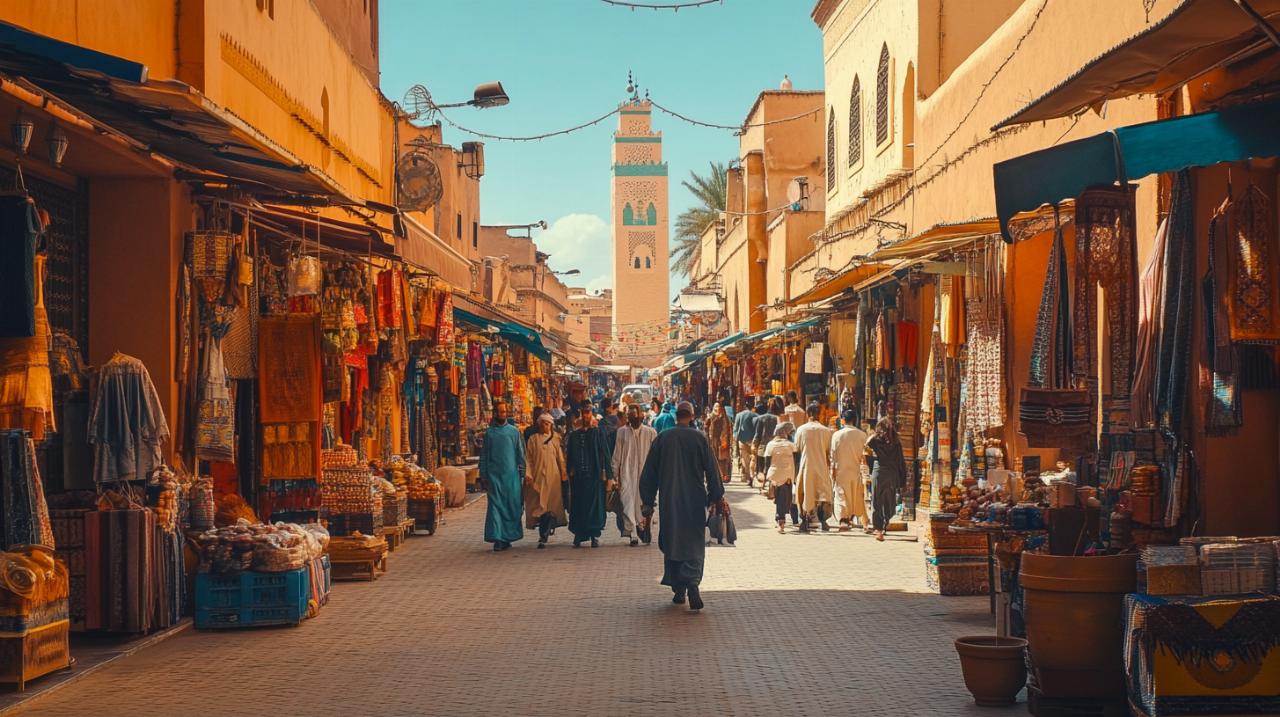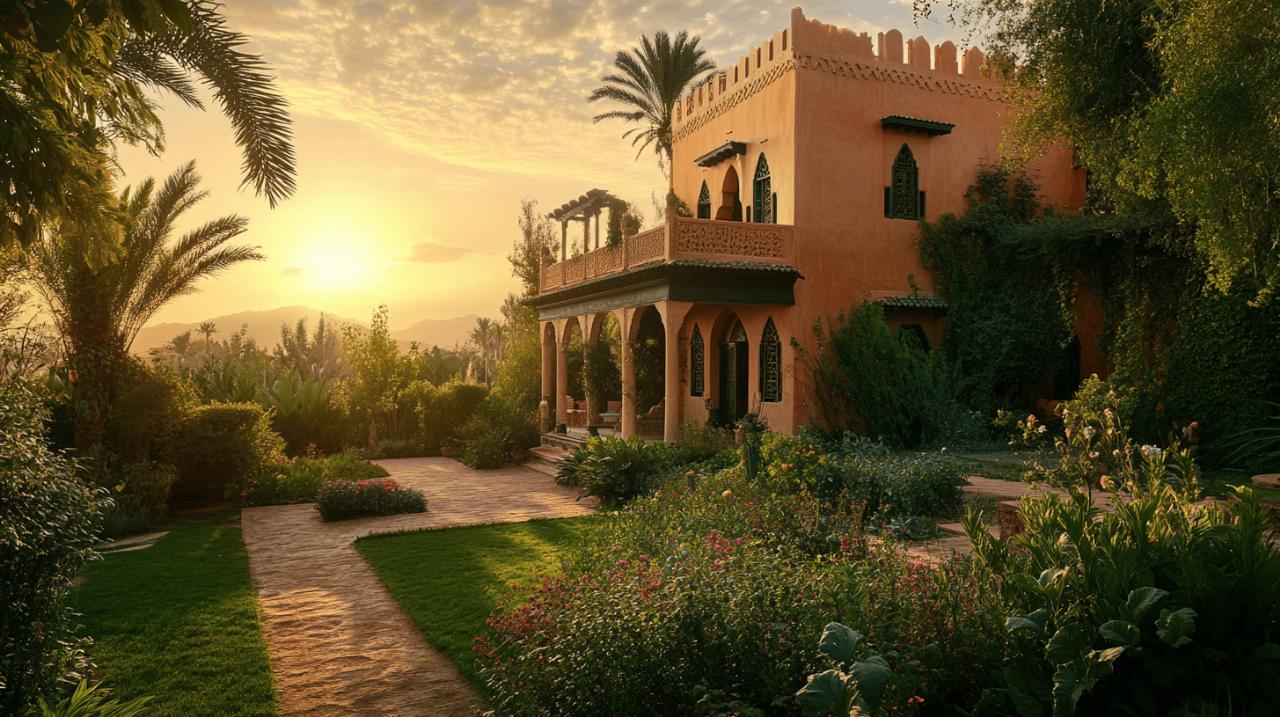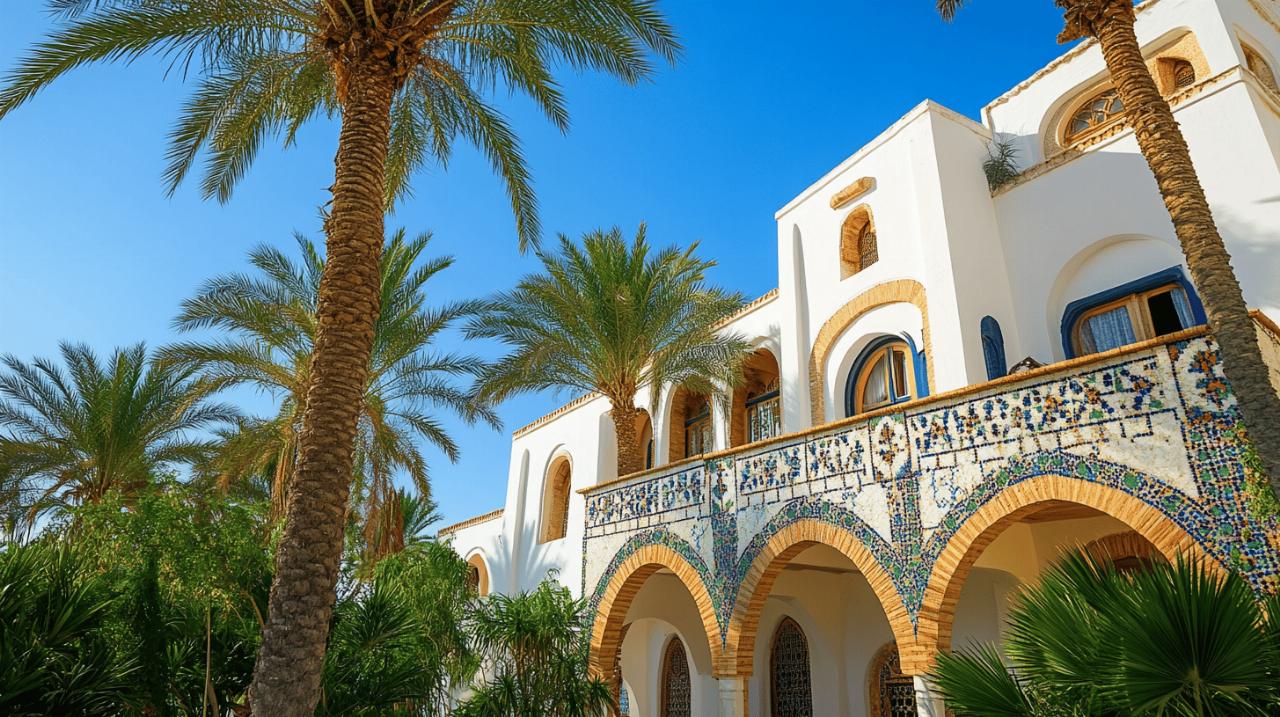
Venturing into Morocco with its vibrant markets, sweeping deserts, and dramatic mountain landscapes offers an extraordinary experience for British travellers. Whether you are planning a short holiday or considering a more permanent move, understanding the legal requirements for driving in this North African kingdom is essential. Navigating Moroccan roads safely and legally requires familiarity with local regulations, permit requirements, and the unique challenges that come with driving in a country where Berber, Arab, and French influences converge. This guide provides comprehensive information to ensure your journey through Morocco is both enjoyable and compliant with local law.
Understanding Vehicle Categories and Foreign Licence Requirements in Morocco
Moroccan vehicle categories: from motorbikes to passenger transport
Much like the system used across the United Kingdom and Europe, Morocco classifies driving licences according to the type of vehicle you intend to operate. Category A permits cover motorbikes and scooters, making it suitable for those who wish to explore the winding mountain passes or bustling city streets on two wheels. Category B, the most common classification, allows you to drive standard passenger vehicles such as cars and is what most British tourists and expatriates will require during their stay. For those involved in commercial activities or transporting goods, Category C covers lorries and goods vehicles, whilst Category D is designated for buses and passenger transport vehicles. Before hiring or bringing a vehicle into Morocco, it is crucial to verify that your licence covers the appropriate category to avoid any legal complications or insurance issues.
Using your british driving licence and international driving permits
For British nationals visiting Morocco, your UK driving licence remains valid for a limited period, typically up to three months, or in some cases up to one year, provided it includes a photograph and is written in the Latin alphabet. However, obtaining an International Driving Permit is highly recommended and, in many situations, required. Since 28 March 2019, the 1968 International Driving Permit has become the standard for driving in Morocco. This document serves as an official translation of your national licence and can significantly ease interactions with Moroccan authorities during routine police checkpoints, which are common throughout the country. Car rental agencies may also insist on seeing your IDP alongside your UK licence before handing over the keys. It is important to note that an IDP is not a standalone document; it must always be presented together with your valid UK driving licence. Should you decide to extend your stay beyond the initial period or take up residence in Morocco, you will eventually need to exchange your British licence for a Moroccan one to continue driving legally. This requirement underscores the importance of understanding the timelines and documentation needed to remain compliant with Moroccan law.
Moroccan Road Rules and Safety Considerations for British Drivers
Essential traffic regulations and speed limits across morocco
Driving in Morocco follows the right-hand side of the road, a significant adjustment for British motorists accustomed to left-hand traffic. Speed limits are clearly defined and enforced through frequent police checkpoints, so adherence is not optional. Within urban areas, the maximum speed is typically 60 kilometres per hour, though some zones may reduce this to 40 kilometres per hour depending on local signage. On secondary and rural roads, limits generally range from 80 to 100 kilometres per hour, whilst motorways permit speeds of up to 120 kilometres per hour. These limits are deliberately modest to account for varying road conditions and the presence of pedestrians, livestock, and cyclists. Seatbelts are compulsory for all passengers in the vehicle, and using a mobile phone whilst driving is strictly prohibited unless it is a hands-free device. Morocco enforces a zero-tolerance policy on drink-driving, meaning any alcohol in your system places you at risk of severe penalties. At junctions without traffic signals, the rule is to give way to traffic approaching from the right unless otherwise indicated by road signs. Overtaking should only be attempted when visibility is clear and it is safe to do so, with particular caution required on narrow mountain roads.
Navigating road safety challenges and driving standards
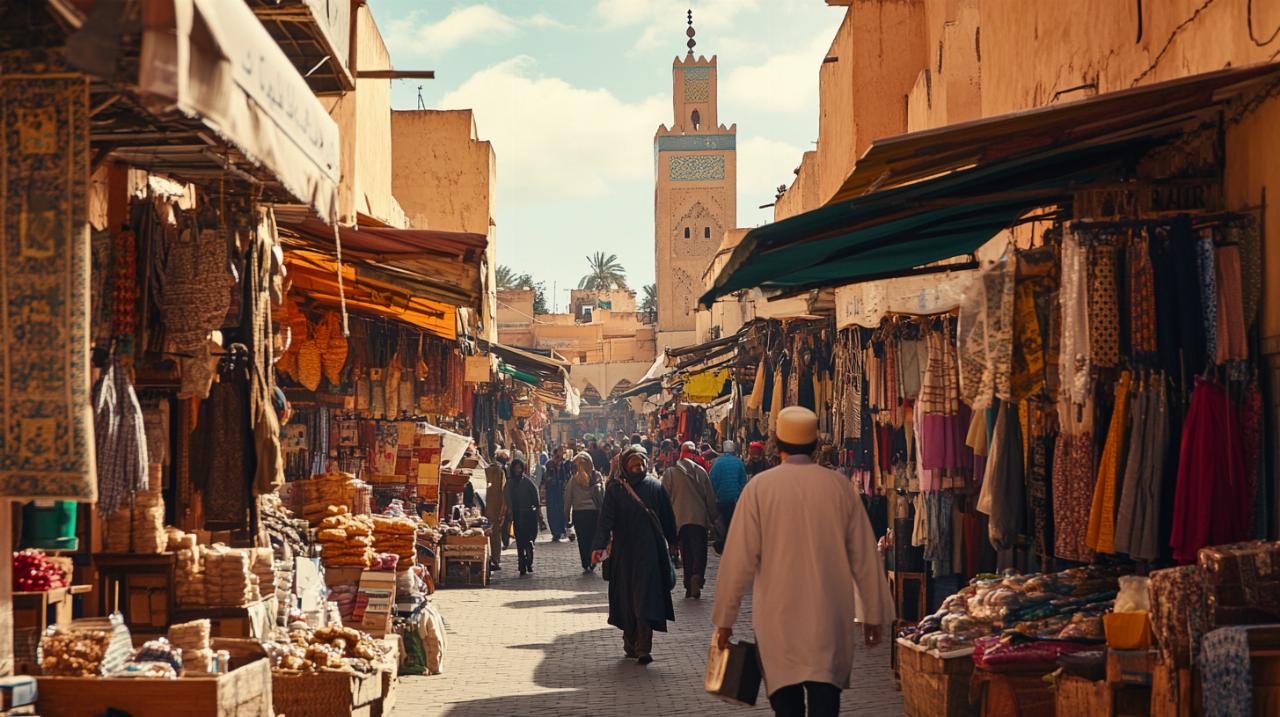
Whilst Morocco boasts well-paved roads, particularly on major routes and in mountainous regions such as the Atlas Mountains, driving standards can vary considerably. Urban driving, especially within historic medina areas, can feel chaotic, with a mix of cars, motorcycles, pedestrians, and animal-drawn carts sharing narrow streets. Defensive driving is essential, as local driving habits may differ significantly from those in the United Kingdom. It is advisable to avoid driving at night on secondary roads where lighting is minimal and hazards such as unlit vehicles or wandering animals become more dangerous. Road conditions on less-travelled routes may include potholes, loose gravel, and unexpected obstructions, so maintaining a cautious speed is wise. Parking in cities presents its own challenges, with unofficial car watchers often appearing to offer assistance in exchange for a small payment. Although this practice is informal, it is widely accepted and can help protect your vehicle from minor damage or theft. Full insurance coverage is strongly recommended, particularly to cover potential damage from stones, sand, and mud that are common on Moroccan roads. If you plan to venture into desert areas or remote mountain passes, consider hiring a four-wheel-drive vehicle and ensure you carry sufficient water, snacks, and emergency supplies. Roadside assistance coverage is also advisable, and keeping emergency numbers such as the police contact number, 19, readily accessible can prove invaluable in the event of an accident or breakdown.
Obtaining and Converting to a Moroccan Driving Permit
Step-by-step application process for residents
If your plans involve residing in Morocco for longer than the permitted short-term period, you will need to apply for a Moroccan Residence Card and subsequently convert your UK driving licence to a Moroccan permit. The first step is to visit your local police station or Gendarmerie to apply for the Residence Card, a process that requires several documents including a valid passport, proof of accommodation, and bank statements demonstrating financial stability. First-time applicants must also obtain a criminal record check from the United Kingdom, which can take up to 40 days to process, so early preparation is essential. Once you have secured your Residence Card, you can proceed with the licence conversion by visiting the local vehicle registration centre, known as the Service des Mines. You will need to present your original UK driving licence, a copy of your Residence Card, a medical certificate confirming your fitness to drive, and several passport-sized photographs. Depending on your country of origin, you may be required to complete a theory test and a practical driving examination, although some countries, including the United Kingdom, have reciprocal agreements with Morocco that may allow for a direct exchange without further testing. It is worth verifying the current status of such agreements before your move to avoid any unexpected delays or requirements.
Medical examinations, testing requirements and reciprocal agreements
As part of the application process, a medical examination is mandatory to ensure that you meet the health standards required for safe driving in Morocco. This examination typically involves vision and hearing tests, as well as an assessment of your overall physical fitness. The certificate issued by an approved medical practitioner must be submitted alongside your other application documents. If reciprocal agreements between Morocco and your home country do not cover your situation, you will need to undertake both a theory and a practical driving test. The theory test assesses your knowledge of Moroccan traffic laws, road signs, and safe driving practices, whilst the practical test evaluates your ability to handle a vehicle competently under local conditions. Most traffic signs in Morocco use international symbols, though some are also displayed in Arabic, French, and occasionally English, particularly in areas frequented by tourists. Familiarity with these signs and the ability to read basic instructions in French can be advantageous. Once you have successfully completed all requirements and submitted the necessary paperwork, your Moroccan driving permit will be issued, allowing you to drive legally throughout the country. This process, whilst somewhat bureaucratic, ensures that all drivers on Moroccan roads meet the same standards of competence and safety, contributing to a more secure driving environment for everyone.